

Local NGOs hold roundtable networking confab with JNB Foundation’s boss
Hon. George Jr. Wants to see Liberians move away from the “Giving-Receiving” mentality!
By James Kokulo Fasuekoi|Editor-Publisher

ALL PHOTOGRAPHS BY AUTHOR
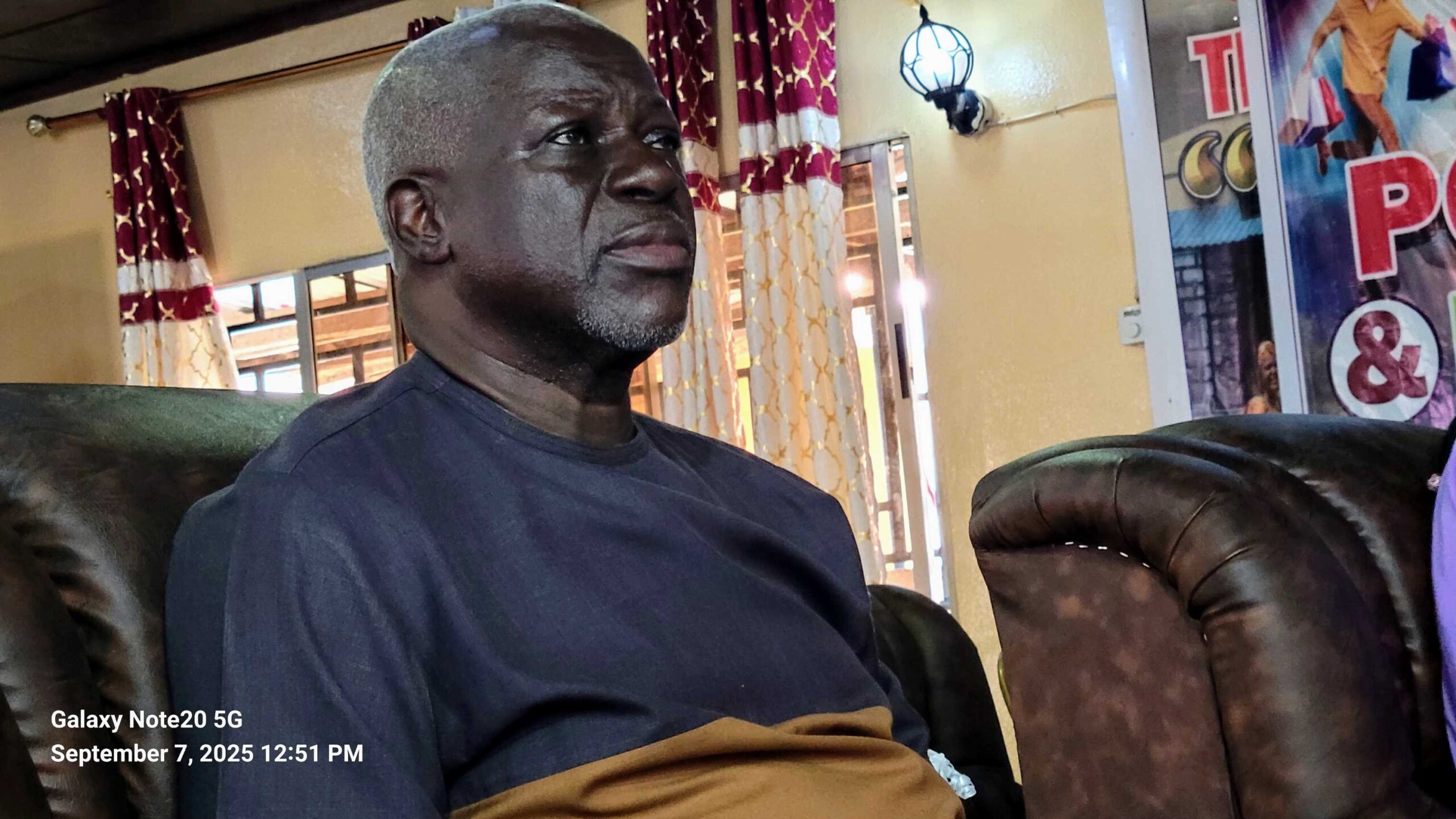
Rehab Community, Paynesville-The boss of President Joseph Nyuma Boakai’s charity, the JNB Foundation, held a roundtable meeting here Friday, with nearly 20 local NGOs concerning ways in which his charity could collaborate with all and help maximize services they offer to local communities throughout Liberia.

Hon. Jackson K. George Jr., the JNB-F boss, outlined several areas in which he said the foundation and all participating NGOs will work to make their groups much more functional. It includes creating a national database of local NGOs. He said the JNB-F would also each create its own websites and get them linked to the foundation’s website.
According to him both sides would work toward developing a stronger partnership, host joint annual retreats, and stage periodic seminars across the country concerning how each group can play a role in Boakai Administration’s national development agenda through community awareness campaigns.
He also spoke of Corporate Social Responsibility (CSR), a term rarely used in this part of the world, and he intends to have his agency network with the NGOs so they could meet heads of local companies and discuss ways in which those entities can comply with the rules that require each to support local NGOs’ ventures as well as donate funds to state’s welfare programs.
CSR is a modern western corporate term which means a voluntary effort by any business to contribute toward a sustainable community development by addressing social, environmental and economic issues, according to Google.

Hon. George, a former Liberian diplomat and a career-businessman, who until his appointment last year, resided and worked in the USA, particularly, in Minnesota. George is an idealistic individual, and like his parents, a hardworking man that believes in working to effect a change in society, wherever necessary.
He thinks that while it’s good to assist people needing help, the Liberian society must equally teach locals, especially youths to recognize that they too owe to the state and their communities, a sort of “social responsibility” which is currently lacking here. High school and college students, particularly those holding GoL Scholarships, he argues, must be required to render “voluntary services” or Community Work.
Hon. George said he wants to see Liberians move away from the habit of “Receiving” or getting a “Free gift,” always and not willing to reciprocate, or give to their communities in return when they could do so. It’s an idea that Mr. George who grew up in Liberia and went through the civil war has been propounding since he took on the leadership of the president’s charity.

He gave an example of his own experience with people living in his father’s village, named “Odessa’s Town,” located near Hindi, Bong Mines. There, local farmers, many of whom receive materials and food assistance from George’s own parents (now residing in the USA), demanded to be paid US $800.00 after he approached them to erect a hand pump for the village.
Residents there, he said had been drinking from a stream (like most villagers still do in Liberia) for years and building a well or a water pump in the villages itself meant providing them a safe drinking water plus, cutting down on the long walk to the creek where the village gets water-an area not too safe for children at night.

In his wisdom, George said he called everyone to a meeting and during which he rejected their request. His main reason? Mr. George said he would provide the resources needed to construct the water pump; secondly, he and his family live in the USA-Monrovia, and would probably never go to the village to live there. In other words, they (villagers) would benefit from it: it would be theirs, and not him, George’s.
Having educated them of their own “Social Responsibility” to the nation and their community, George said they agreed to dig the well and promised to provide manpower to perform the task when the project starts.
It is this kind of encounter that has touched George, he says, moving him and his foundation toward initiating a campaign to change what he refers to as the Liberian “Mindset,” a mindset that much of the population, accustomed to only “Receiving,” (beginning from the civil war era), may have feel uncomfortable turning away from.

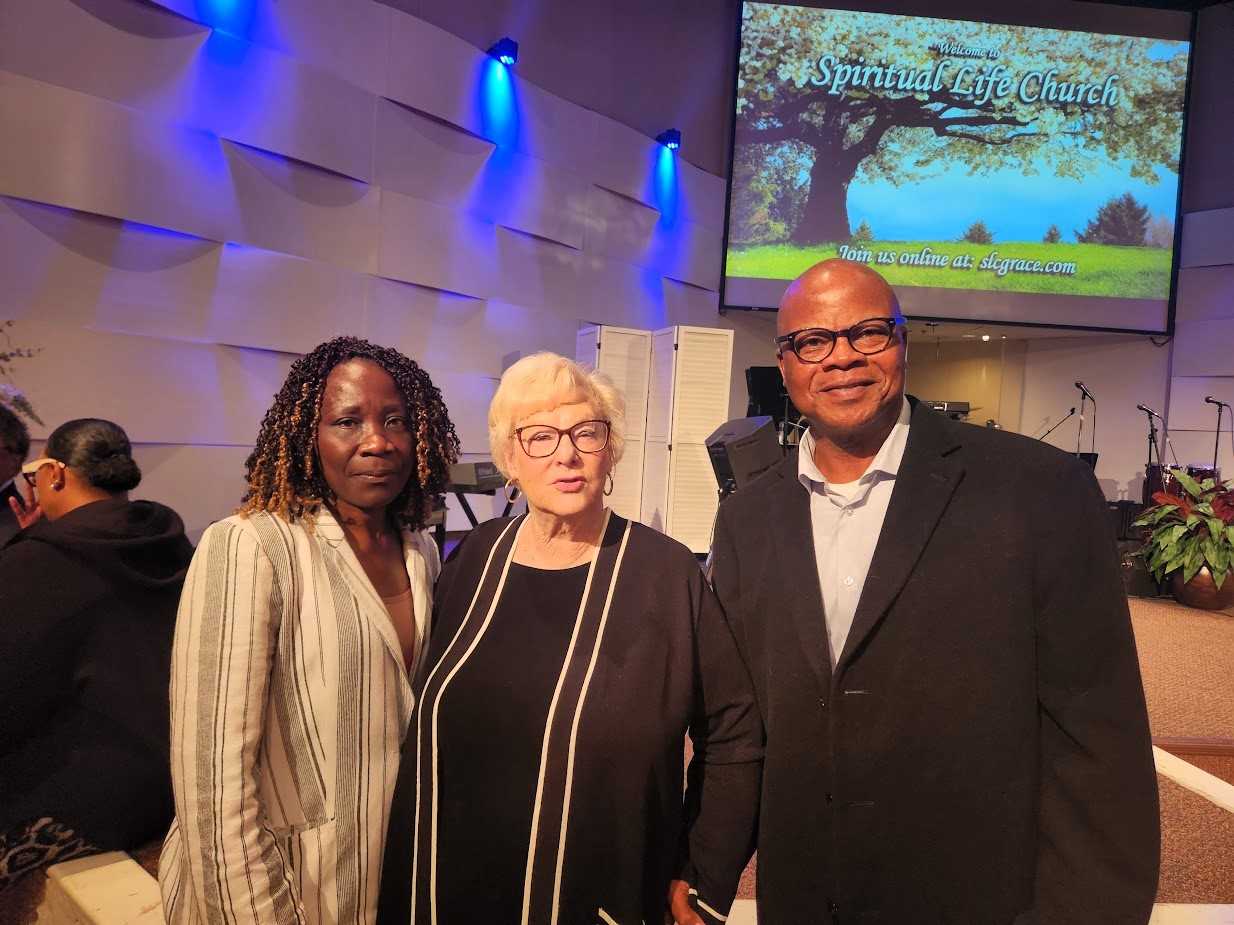
“We don’t need to change the whole world. But if you can help one person, you’ve helped too many,” he told nineteen local NGOs, represented by 27 individuals.
He earlier highlighted President Joseph Nyuma Boakai’s Six-Pillars Agenda, and how each organization present, could play a pivotal role in Pres. Boakai’s national development drive.
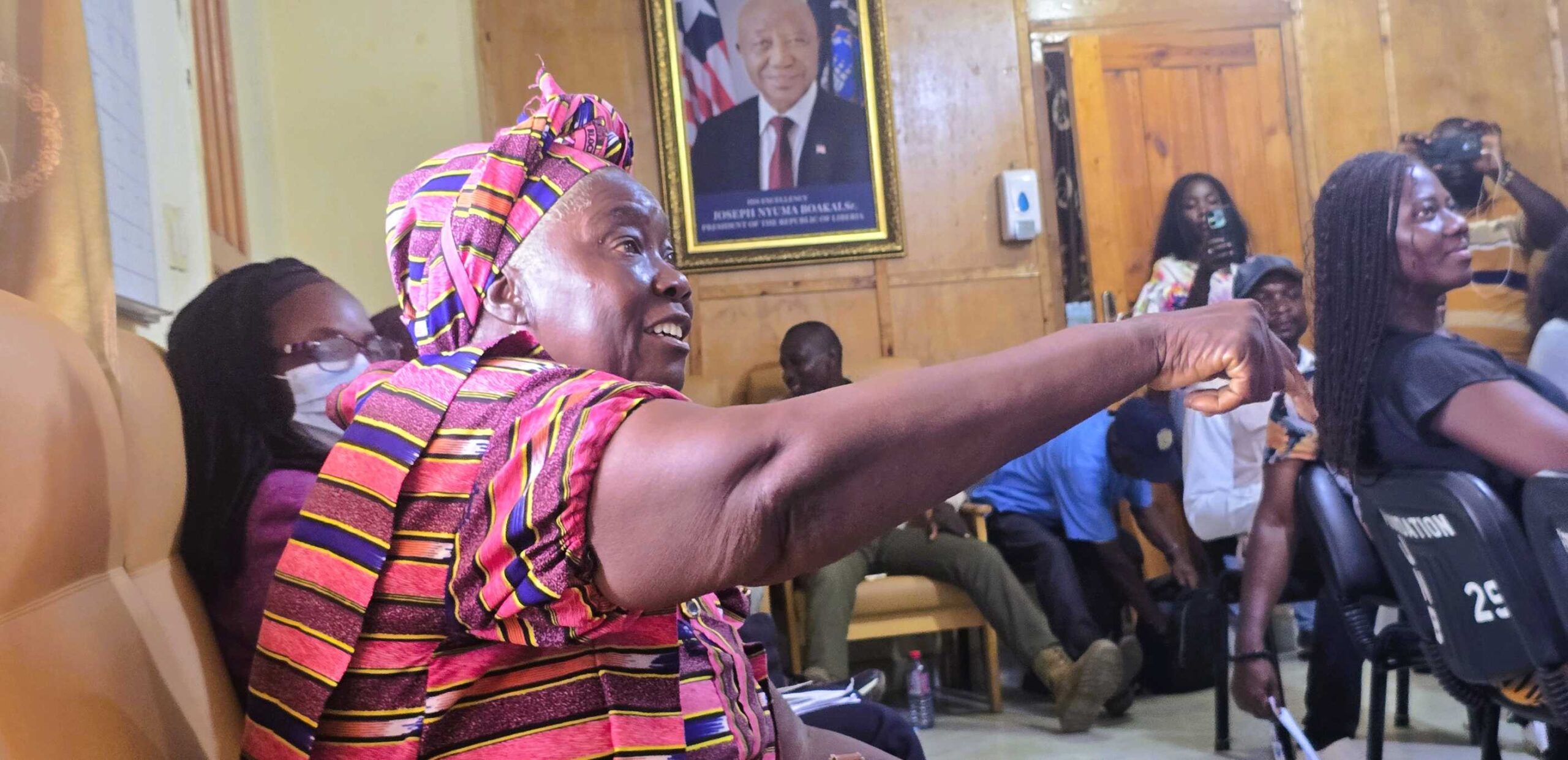
George’s nearly one-hour presentation was followed by a Q/A period, with each representative allowed to make comments, or ask questions as long as each one desired-in most cases-even exceeding the time the foundation allotted to a questioner.
Friday’s meeting with local NGOs was the first since Hon. George took over the foundation affairs.
