
Liberia: Guinea’s drumbeat of war as anger flares high over Pres. Boakai’s soft approach
“If it is possible, as far as it depends on you, live at peace with everyone.” (Romans 12:18)
Introduction:
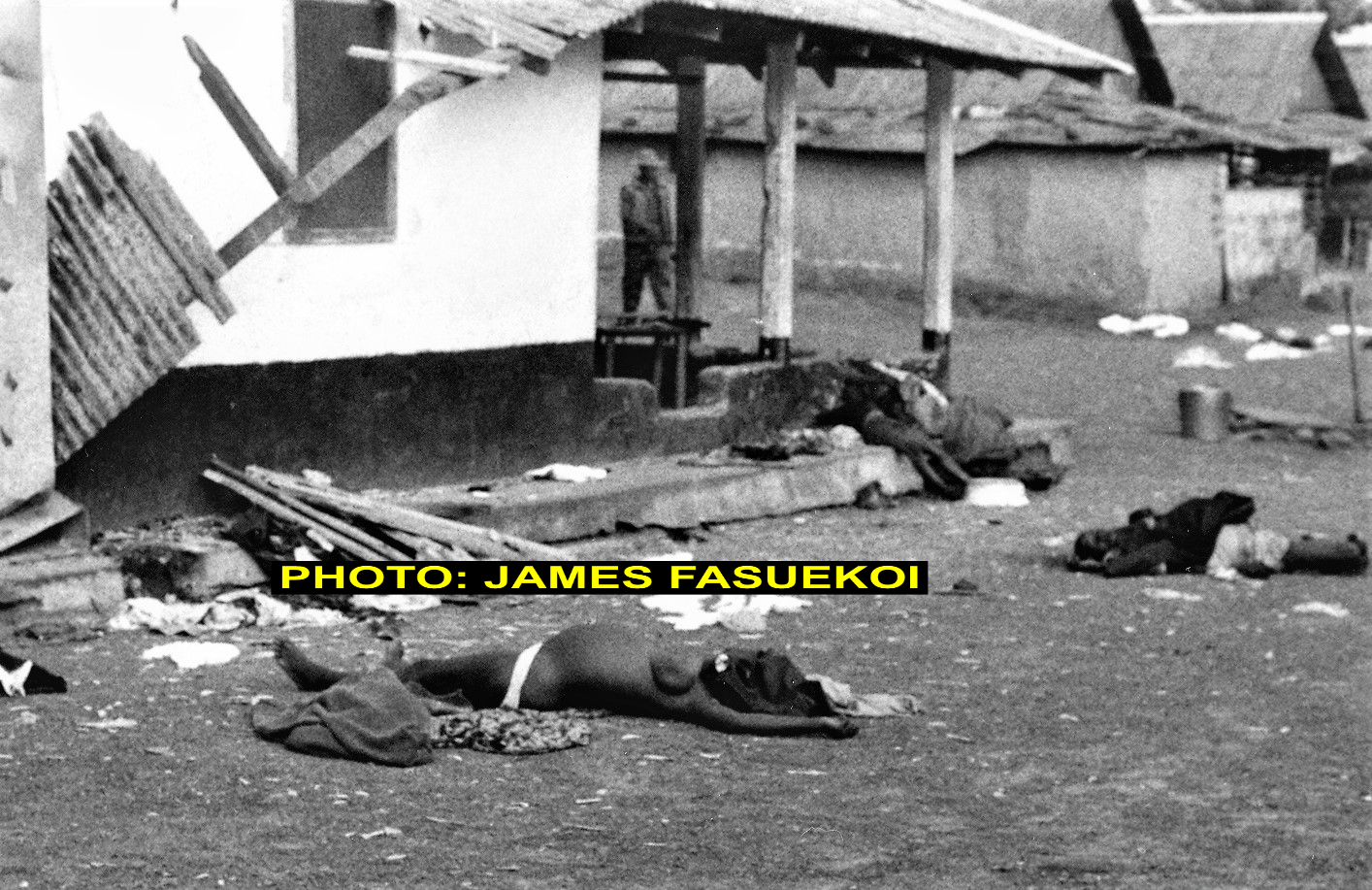
When a nation or army is getting ready to go to war they often first lay siege to key targets; I saw it during Mr. Charles Taylor’s October 15, 1992 “Octopus War” on Monrovia, a battle that led to the wanton destruction of lives and vast properties in the capital. Guinea, in recent weeks has now made known what has been behind its unwarranted land grabs along our northern Lofa County borders with it-from Yeala (my hometown in Zorzor District) to Foya’s Sorluba. Guinea’s reckless action-clearly an invasion, could inexorably lead to war with Liberia. But again, what would you do in such a precarious situation as the current when you preach peace and the “aggressors” won’t listen? Is war with Guinea the best answer? Global Ekklesia’s Editor-Publisher James Kokulo Fasuekoi, fairly familiar with these border events, traveled half-way to Zorzor, Lofa, last week and now examines the current situation in this special News Analysis.
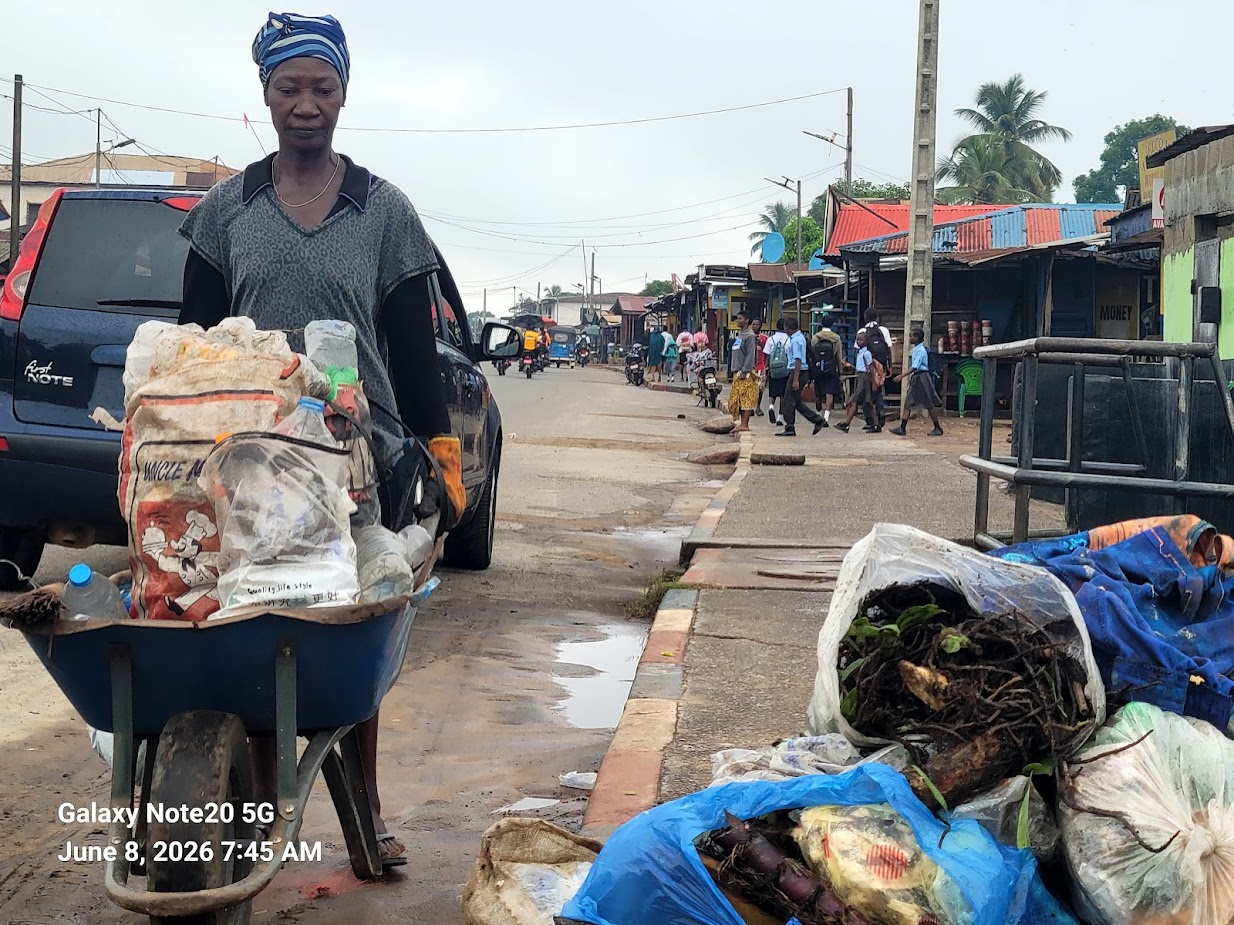
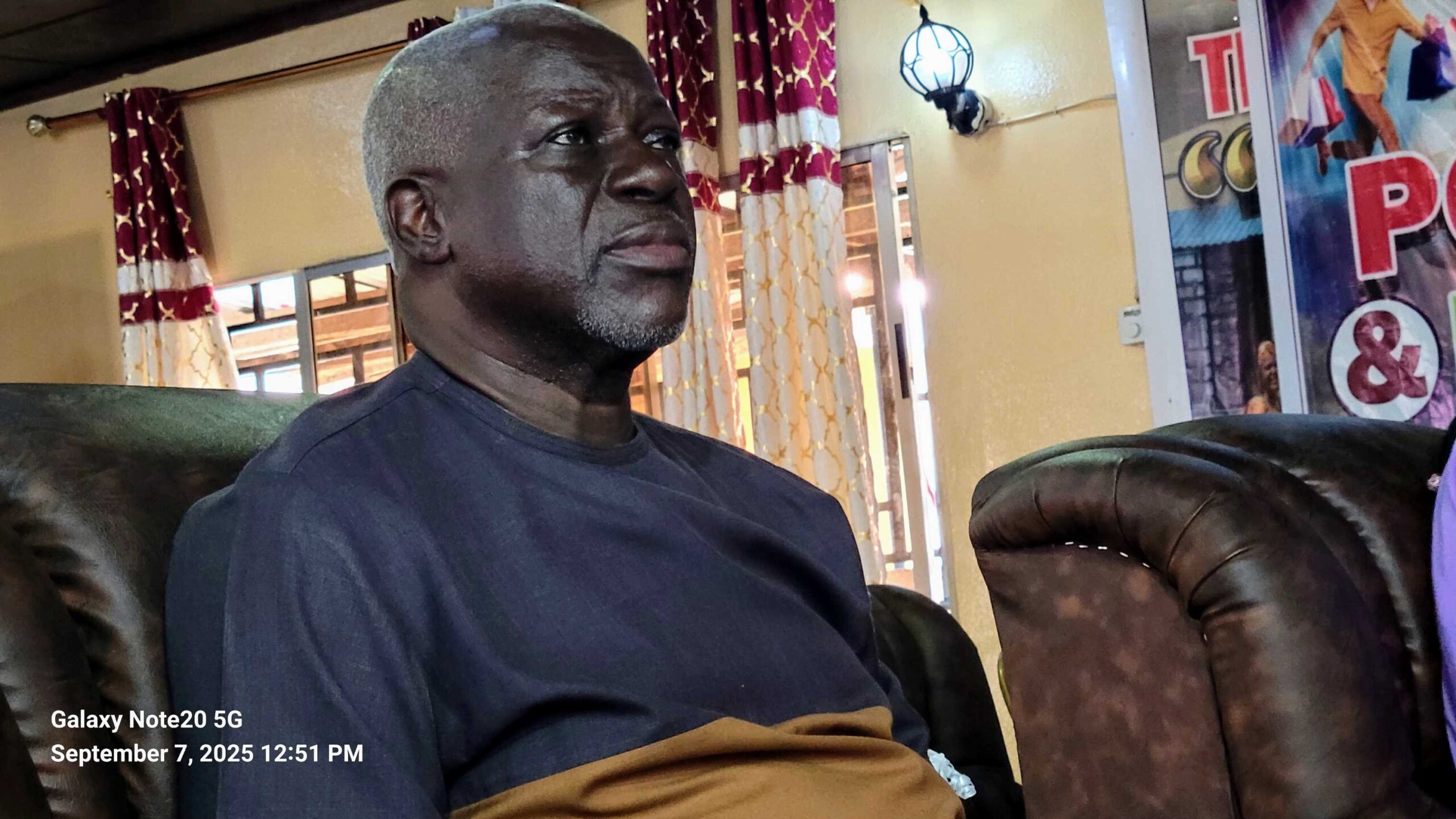
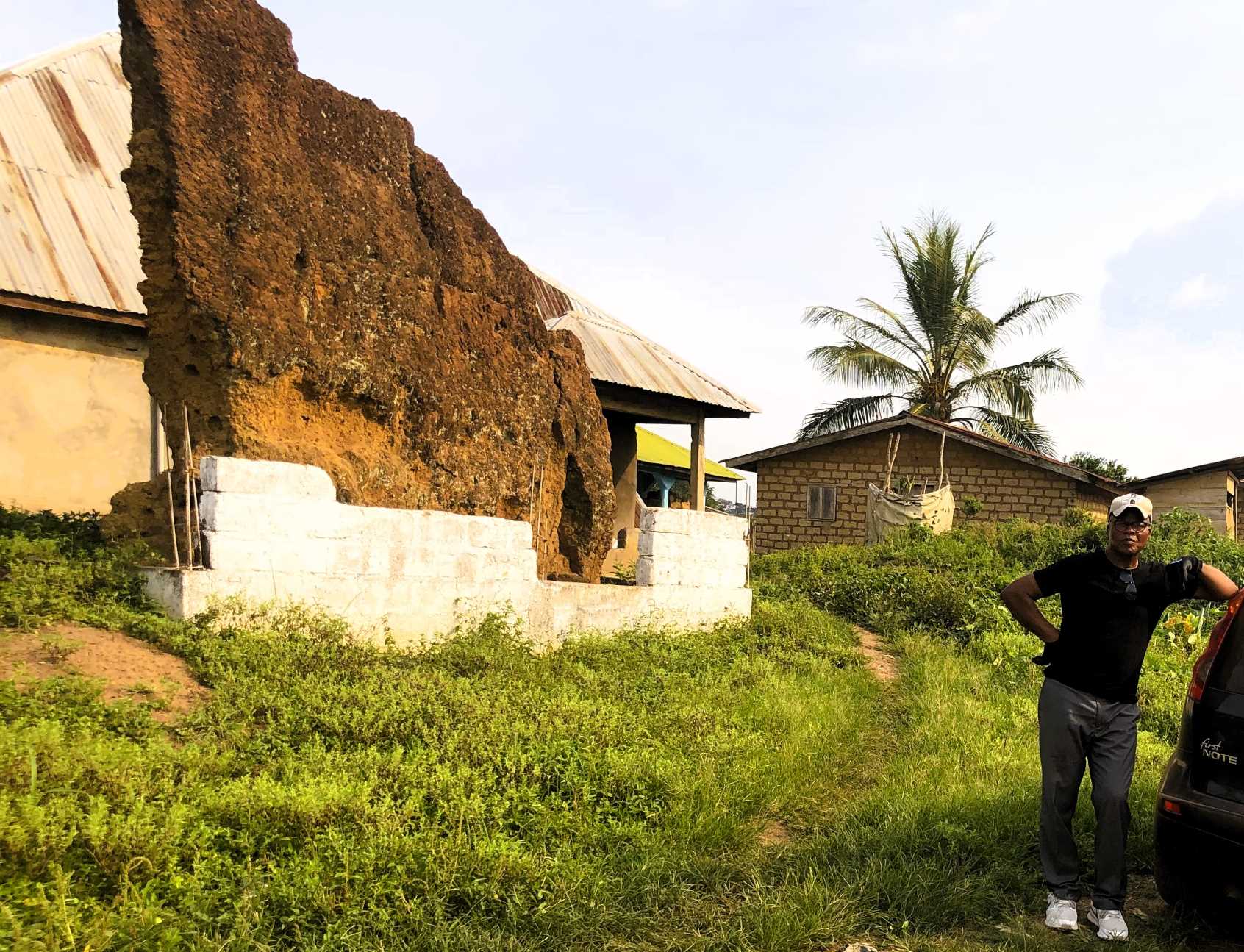
ALL PHOTOGRAPHS BY RUTH G. GAYE AND AUTHOR

Guinea’s aggression:
The second week has ended since armed Guinean soldiers first crossed over to Liberian soil, around the Sorluba-Foya District, Lofa County’s crossing point in northern Liberia, and boldly mounted that country’s national flag on a parcel of Liberia land, in so such a defiant style never seen before and after the former French colony gained independence. This incident forced frightened local residents to run helter-skelter, many of whom have since sought refuge elsewhere.
The soldiers, according to information gathered, crossed the Makona River in small wooden-dugout canoes, without any warning. What seemed untraditional regarding their military maneuvers is they crossed, heavily armed not with machetes but modern weapons-a signal they didn’t come in peace, as they had claimed earlier, according to local men who first confronted them. Beyond this, they planted their flag (Red, Yellow and Green) next to the costume office, and thereafter, set up a military post (camp) by the river’s bank-all done without any clear explanation.

By all accounts, Guinea’s action was well-calculated, and although clearly an incursion, but no one including Liberia’s President Joseph Nyuma Boakai, Sr. has described it so, in attempts to “de-escalate” the volatile standoff! In this unfolding event Guinea staged at least three violations of international border protocols: (1) Its unlawful crossing over, while armed to the teeth in peacetime, ( 2) Seizing or claiming a long strip of land along the river banks that belongs to Liberia, (3) Planting thereon a foreign “flag” on our soil which clearly constitutes a gross violation of Liberia’s own sovereignty rights or rules. On top of it all the Guinean soldiers reportedly shot a Liberian custom officer who’s still nursing gunshot wounds!
Pres. Boakai’s plead for peace:
Under the prevailing conditions along Liberia’s borders with Guinea, President Joseph Nyuma Boakai, Sr., a devout Christian, rather than deploy his army to the troubled region, first chose to seek a dialogue imbedded in wisdom, with the aggressors, as any matured leader would do, especially when leading a nation that is still recuperating from two brutal civil wars, dating back to the 90s.
“Let me be clear to every Liberian: Our pursuit of a peaceful settlement is not a sign of weakness, but rather a demonstration of strength. It is easy to fight, break down, and destroy. As our own journey has taught us, [but] it is more difficult to recover and build,”President Joseph Nyuma Boakai, Sr. declared in a national broadcast a day after he returned from holding a meeting with Guinea’s junta military leader, Gen. Mamady Doumboya. President Boakai was accompanied by Sierra Leone’s President Julius Maada Bio whose nation faces a similar challenge from Guinea as well.

Though neither President Boakai nor his government has released information regarding the event that triggered Guinea’s action or land grab in the Sorluba Foya area, sources familiar with the incident attributed it to “illicit minings” of minerals, including “sand and rocks” in the Makona River shared by both nations. At the center of it is one particular mineral mining company named as “BK Enterprise” whose alleged dredge-mining in the Makona River (without Guinea’s consent) violates shared border-waters’ protocols, angered Guineans, prompting soldiers to seize its dredge equipment, an information withheld by the GoL.
President Boakai’s government has meanwhile placed a ban on all mining activities on the Liberian side in the region as his government continues talks with Guinea and neighboring states as well as regional ECOWAS leaders on ways to resolve this stalemate.
Information mismanagement:
The GoL’s information bureau in Monrovia and also Pres. Boakai’s own presidential press secretary have both come under serious criticism for their poor manner of handling information surrounding the latest incident. Some have accused the current Liberian Information Minister of reacting sarcastically, and with cheek, saying allegedly he would be willing to have “volunteers” armed and dispatched to the troubled zones to “fight” instead if they wish rather than causing noise or inflaming the already chaotic situation via social media comments.
Yet, another social media commentator questioned President Boakai’s own presidential press secretary’s loyalty to the Nation of Liberia, by her alleged conning usage of “Words” in her recent news release which commentator says, tends to give an “Edge” to the aggressors over Liberia, a country he said, she calls home.

As of Monday, the security situation in Liberia’s northern border with Guinea, especially in the Sorluba region remains bleak, leaving the vast citizen population and the international community to rely mainly on news versions from “citizen journalists” in the region streaming via social media. Except for one freelance YouTube journalist, Emmanuel Kortu, no independent news photographer nor reporter from local mainstream media has so far tried to reach Sorluba over the last two weeks in order to authenticate further unfolding events partitioning to Guinea’s aggression, a situation which has created an information vacuum.
Maintime, our Global Ekklesia’s news crew, on Saturday, March 14, managed to hit Zorzor, Lofa County, and while there, traveled to the Yeala border, a town known for its ancient war-history, a place where Guinean soldiers, during a 1996 Ceasefire in Liberia (followed by the disarmament of warring factions), first crossed and planted their flag on Liberian Land, a situation this writer has consistently written about prompting us to meet with Gen. Saykajebo Kortor of the Ministry of National Defense, in 1999. Gen. Kortor wasn’t an ordinary soldier; he fought fiercely on Samuel Doe’s behalf in the First Civil War, and was captured by Taylor’s NPFL men, and taken to Taylor but survived.
It seems the Guineans want more beyond Sorluba:
As of the time of this writing there were reports from “citizen journalists” that Guinea’s soldiers have similarly crossed over the weekend, taking over Liberian Land in the Konadu area in Quadu Gboni, a dominantly Mandingo Clan along Liberia’s border there. So far, no further information again regarding Guinea’s latest action, and it’s still unknown whether their troops intend to move further into Liberia to seize more land, a move that could further cause panic and displace the population.

Guinea’s reckless action-clearly an Invasion, could create chaos and inexorably lead towards war with Liberia, if regional and international bodies including Liberia’s main ally, the United States fail to intervene and on time, for in the words of President Joseph Boakai, Sr., his country’s push for peace and understanding, shouldn’t be mistaken for “Weakness.”
Social Media war over aggression:
This is the third week since Guinea initiated its latest aggression against the Republic of Liberia and from what we know, the supposed “battle” between Guinea and Liberia, has already been fought and won on social media itself, with those apparently in support of Guinea’s provocation, or are actually Guineans (with some exception) living on both sides, declaring the “aggressors” as the “winner.” Thanks to the Social Media age!
As intriguing as this went, a poster in one particular case listed Guinea’s military strength as “12,000 strong men”, while recounting its air power and ground strength. As for neighbouring Sierra Leone, he placed the strength of her fighting men at “9,000, with fewer war equipment, far lesser than Guinea’s “power.”

The Republic of Liberia was placed at the lowest, “2,000,” which might be because, after our country’s bloody wars, President Ellen Johnson-Sirleaf and those who succeeded her, preferred to maintain a modest army and instead focus on re-building our ruined infrastructures as well as the lives of our people, unlike a neighbor like Guinea which seemingly prefers to invest more in military machinery and keep her population especially, in Guinea’s Forest region, in perpetual poverty.
What President Boakai should consider now:
In Romans 12:18, the Word of God says the following to Christians: “If it is possible, as far as it depends on you, live at peace with everyone.” Similarly, in Psalm 46:10, the LORD said, “Be Still and Know that I am God.” President Joseph Boakai, Sr. being a devout Man of God has a choice here, unlike our “aggressors”, many of whom appear to serve “man-made-gods.” President Boakai could cling to God’s Word, pray for direction and determine his next move at this critical juncture.
Amid Guinea’s drumbeat of war, perhaps the next step, Boakai, imbued with knowledge, wisdom, and understanding, could turn to is, first report Liberia’s case against the military junta ruler to God, as King Hezekiah of Judah did-read 2 Kings 19:14-37, when paralyzed by fear in wake of imminent threats of war by King Sennacherib. Hezekiah, instead, ran to the LORD’s House, placed Sennacherib’s warning war letter to the Altar and asked God to fight his battle, seeing he wasn’t the “aggressor.”
As the story goes, the Lord eventually redeemed King Hezekiah and his people, a proof of His power when one seeks Him during good and troubled times.
First, President Joseph Nyuma Boakai, Sr. could even declare a national day of mourning, followed by a fast and prayer period, wherein Liberians, willing, would restrain themselves from eating, drinking and worldly pleasures, for a set period, and see if God would not intervene on Liberia’s behalf, as was in the case with Queen Esther-read Esther 4:16. May God protect our beautiful nation! Amen!
