
Why people must keep entertainment, food & drinks away from Genocide memorials in Liberia?
Liberia’s post-war recovery process: massacre series

By James Kokulo Fasuekoi|Editor-Publisher
At Carter Camp national genocide memorial just a few miles north of Roberts International Airport, bamboo benches lineup neatly next to the giant monuments, giving visitors seating comforts under the shades of rubber trees, letting guests to deeply reflect on the horrors that occurred here during the morning of June 6, 1993.

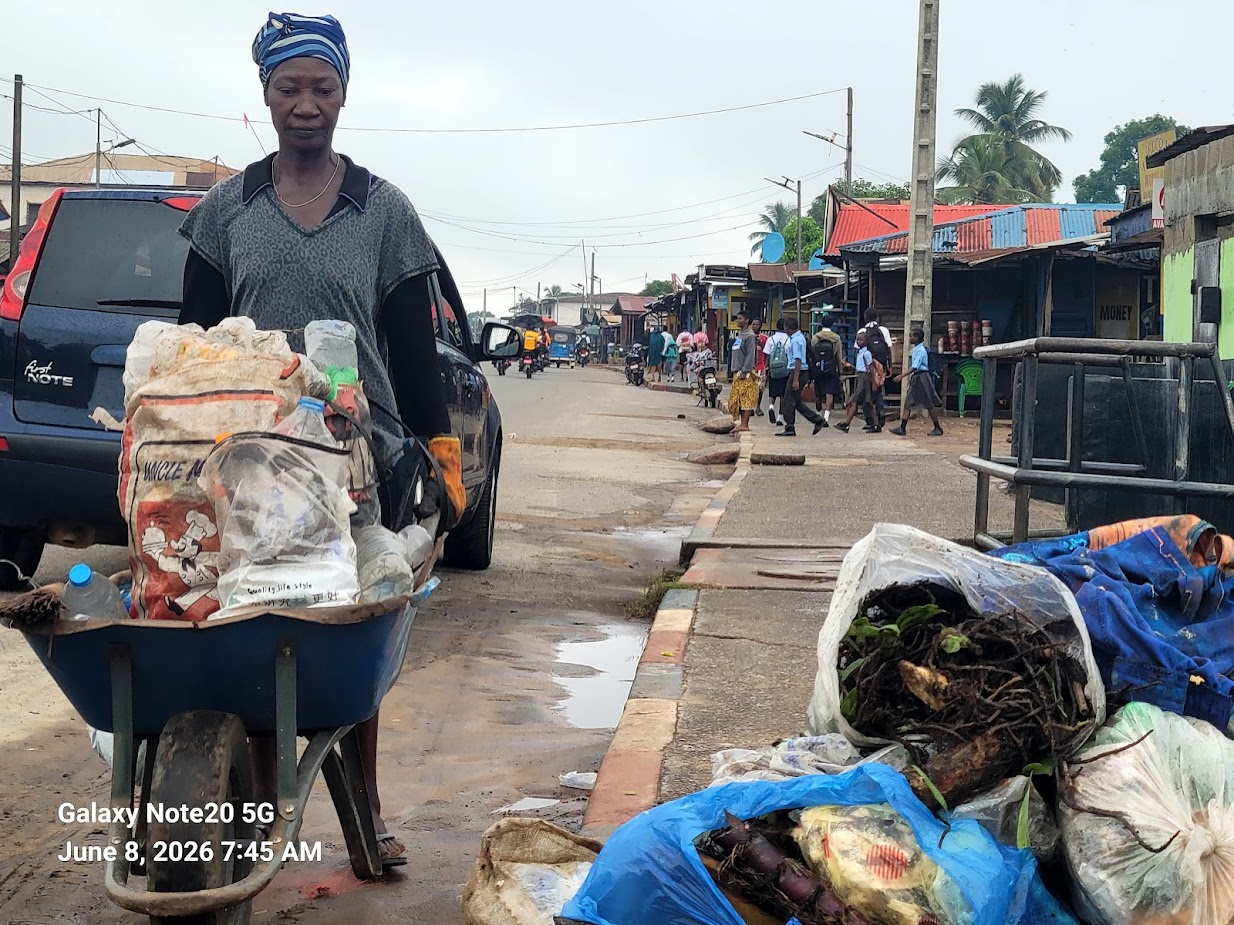
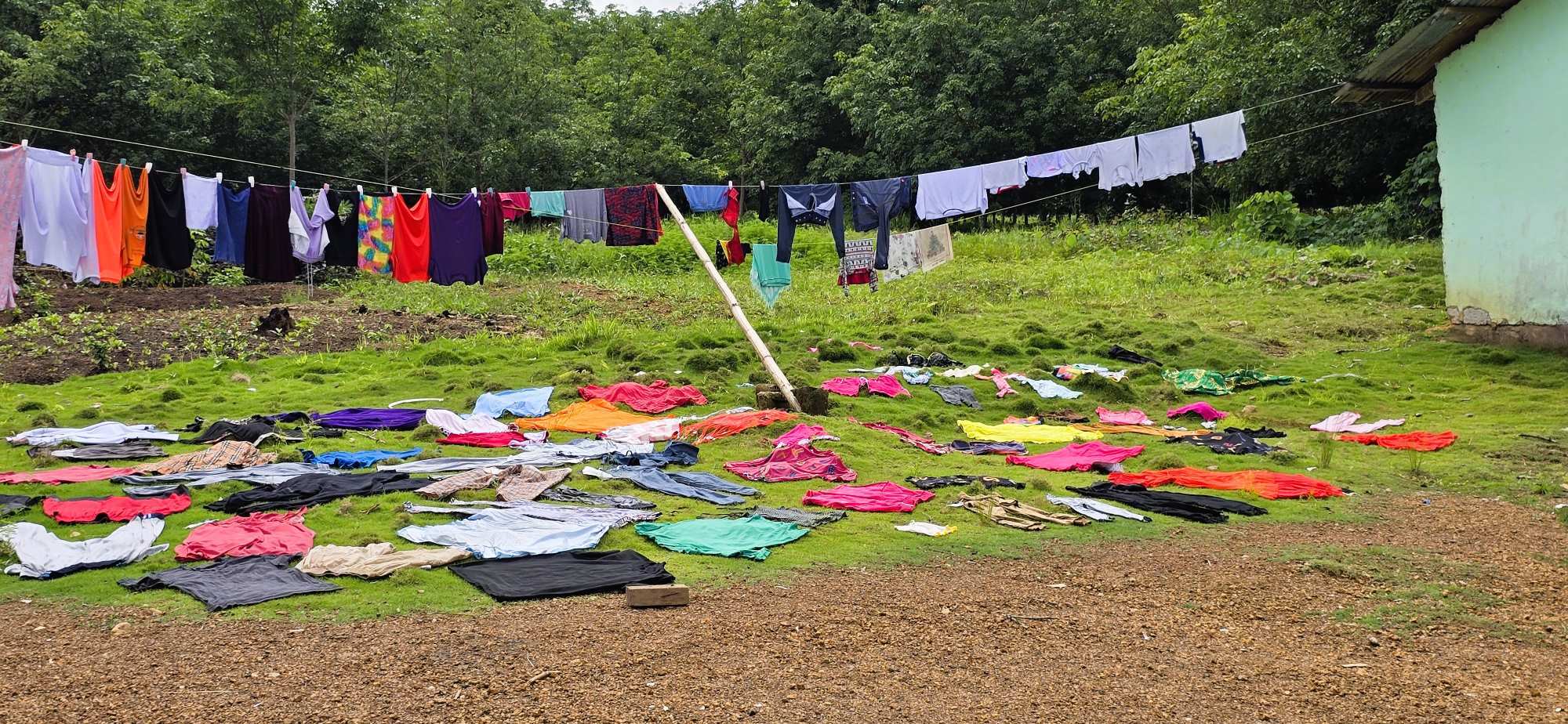
But there was something else noticeable beyond those bamboo benches surrounding the tombs, during my recent June 6, visit to the site-the day of the genocide 32nd anniversary: junks of all kinds such as emptied water and soda bottles, plastic water bags, small containers, plus debris from snack wrap all littered all around this national memorial. Elements found also included disposable plates and spoons.
This certainly shows utter disrespect to our dead relatives-many of whom had probably set their mind on going to church and worshipping that Sunday but somehow could not, due to this tragedy. And neither did any of the victim choose to die in such a wicked fashion the world witnessed. Hence, the Carter Camp Memorial, like others across Liberia ought to be treated with utmost dignity just as people would with military veterans.

A brief history of June 6, 1993, massacre
At least more than 600 civilians, largely women and children, perished in the Carter Camp massacre within hours mainly because help didn’t come in time from two armies posted within reach to save people residing in this laborer camp located in the Firestone’s rubber plantation in Margibi County.

If anything, the mass murders of that Sunday, June 1993, left one lingering question: how did the enemies manage to sneak through AFL-ECOMOG defensive lines, hit this village and stage such ghastly killings, set dozens of homes ablaze, then escaped with an unspecified number of captors undetected?
What were the victims’ crimes?
None absolutely could be found except that they happened to be in the wrong place at the wrong time! The fact that they all died together in such horrifying and unfashionable manner, under the cover of darkness, Red Cross workers, in collaboration with the interim government decided to have them interred in a mass grave nearby in the days after the genocide!

From all indications the killings were believed to have been the work of Mr. Charles Taylor’s ragtag militias who had military bases just a few miles away from the murdered scene. They became primary suspects for the crimes for a couple of reasons: 1), the NPFL was known for staging genocides of such magnitude, 2), the rebel front had been badly defeated in its Oct. 15, 1992, war on the capital and was determined to settle a military score.

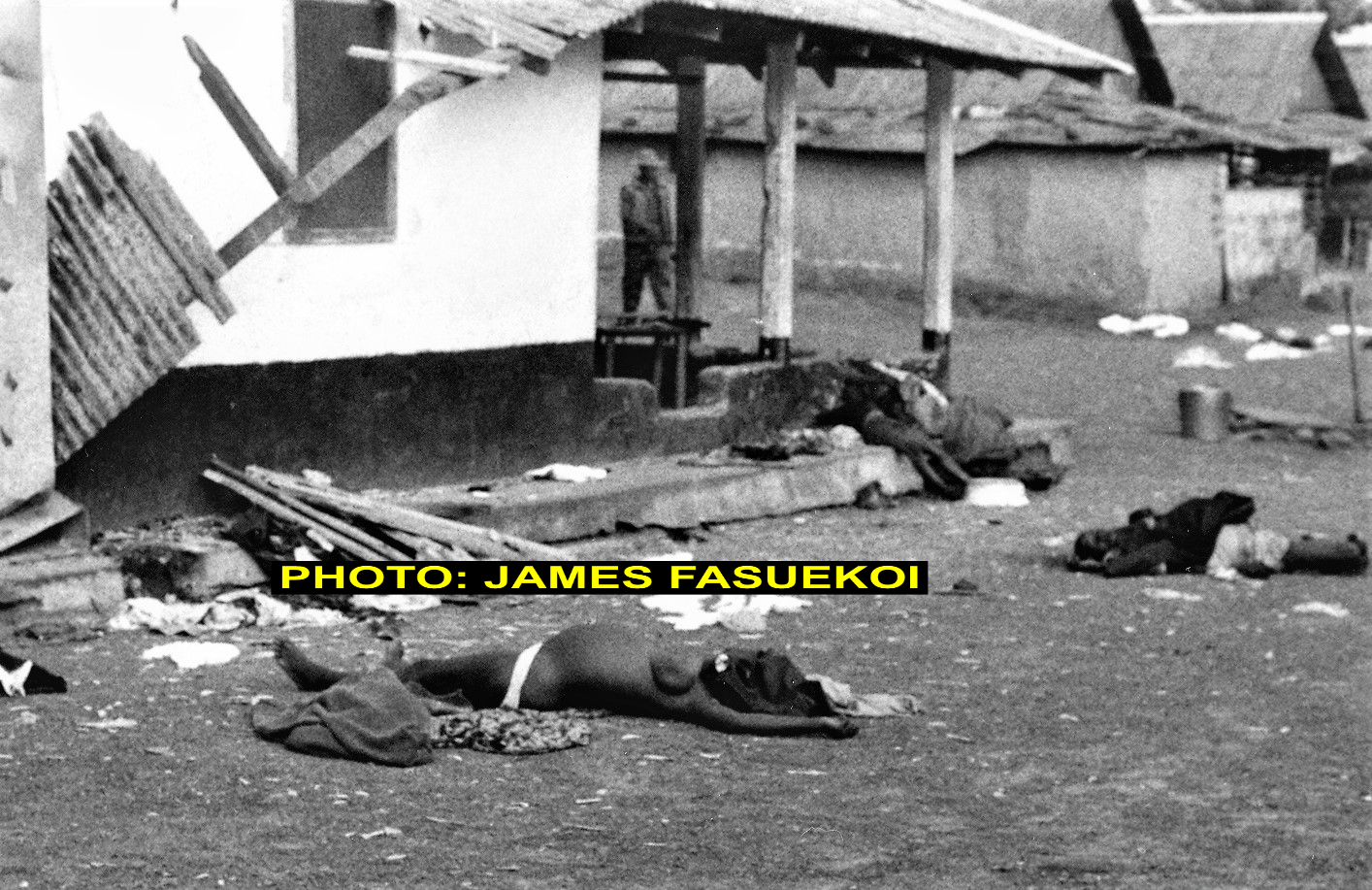
Most victims we filmed, on June 6, 1993, hours after the mayhem-from kids, fathers, and mothers as well as elderly, still had on pajamas or sleeping gowns, or had blankets wrapped around their shoulders when angels of death came face to face with them as they attempted escaping.
In some quarters, entire household families got bungled to death in their own front yards. For some, the angels of death visited them inside their little huts, finishing them up including little babies. In one particular case, while trying to capture a scene, I had to jump past an elderly lady who lay dead in her tiny doorway, surrounded by her lifeless grandkids.

With such a level of barbarity that characterized Carter Camp mayhem, crowned by haunting memories for those of us who visited the scene, it’s only prudent that we the living treat the dead of Carter Camp plus those of other genocides throughout Liberia, with great respect and honor, and make sure their memories remain alive!
ALL PHOTOGRAPHS BY JAMES KOKULO FASUEKOI & RUTH G. GAYE
About the Author: James Kokulo Fasuekoi is an award-winning journalist, author, documentary writer and news photographer. He previously covered civil wars in West Africa for both local and international news media, including The Associated Press. For more than three decades, Journalist Fasuekoi captured on films and in writings, his country’s entertainment, cultural lifestyles, as well as its political upheavals and war history like no other journalist did in Liberia and beyond.