

Epitaph on headstone for 236 murdered civilians of Liberia’s Wozi, Lofa Town, looks concise, unlike Carter Camp Genocide

By James Kokulo Fasuekoi|Editor-Publisher, Lofa County, Liberia
Liberia’s post-war recovery process: massacre series
ALL PHOTOGRAPHS BY AUTHOR

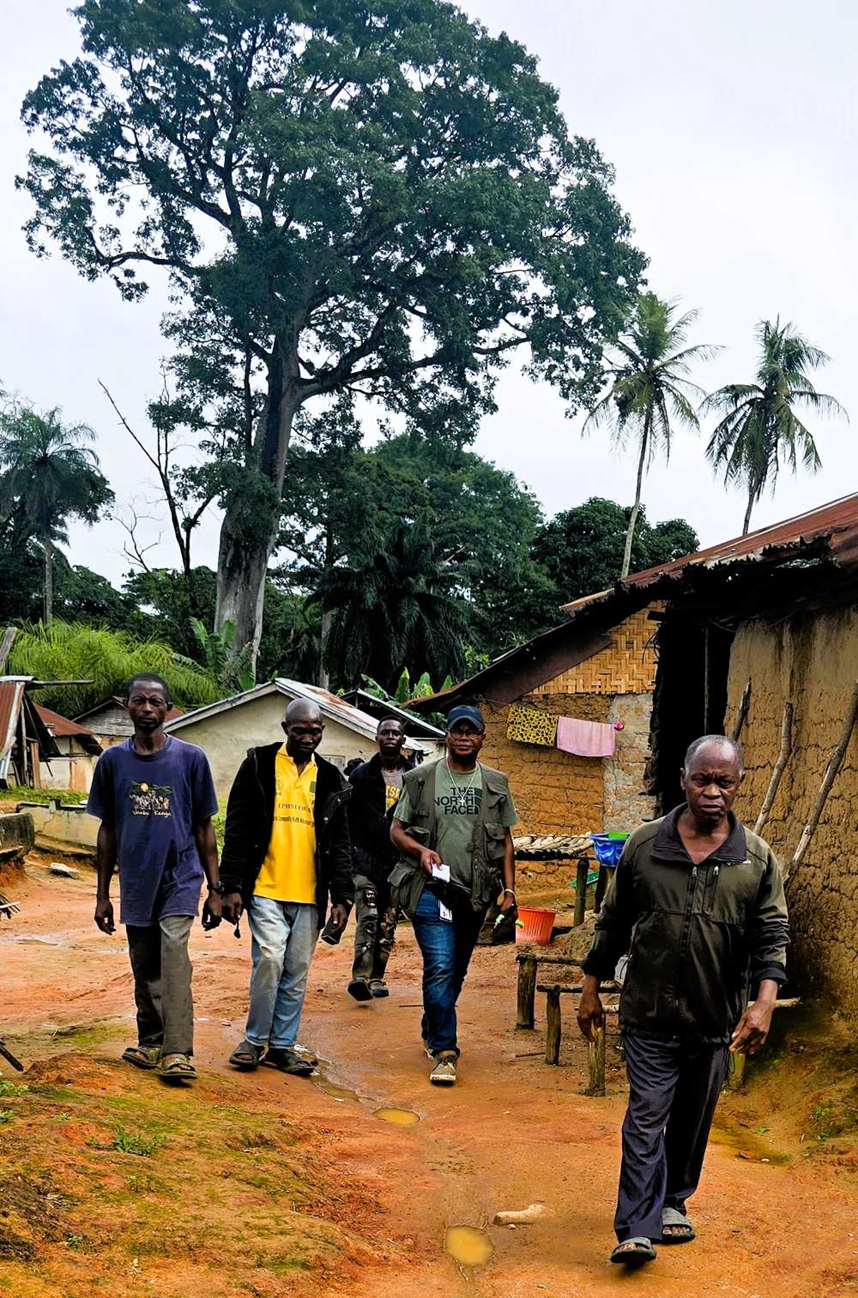
Wozi, a small town surrounded by wild forest, situated west of Zorzor City, has something uncommon with the rest of the towns in the region; it is the Gospel of Jesus Christ. Our investigation revealed it is in Wozi that U.S. Missionaries first settled before launching the Lorma Gospel during the early 1960s.
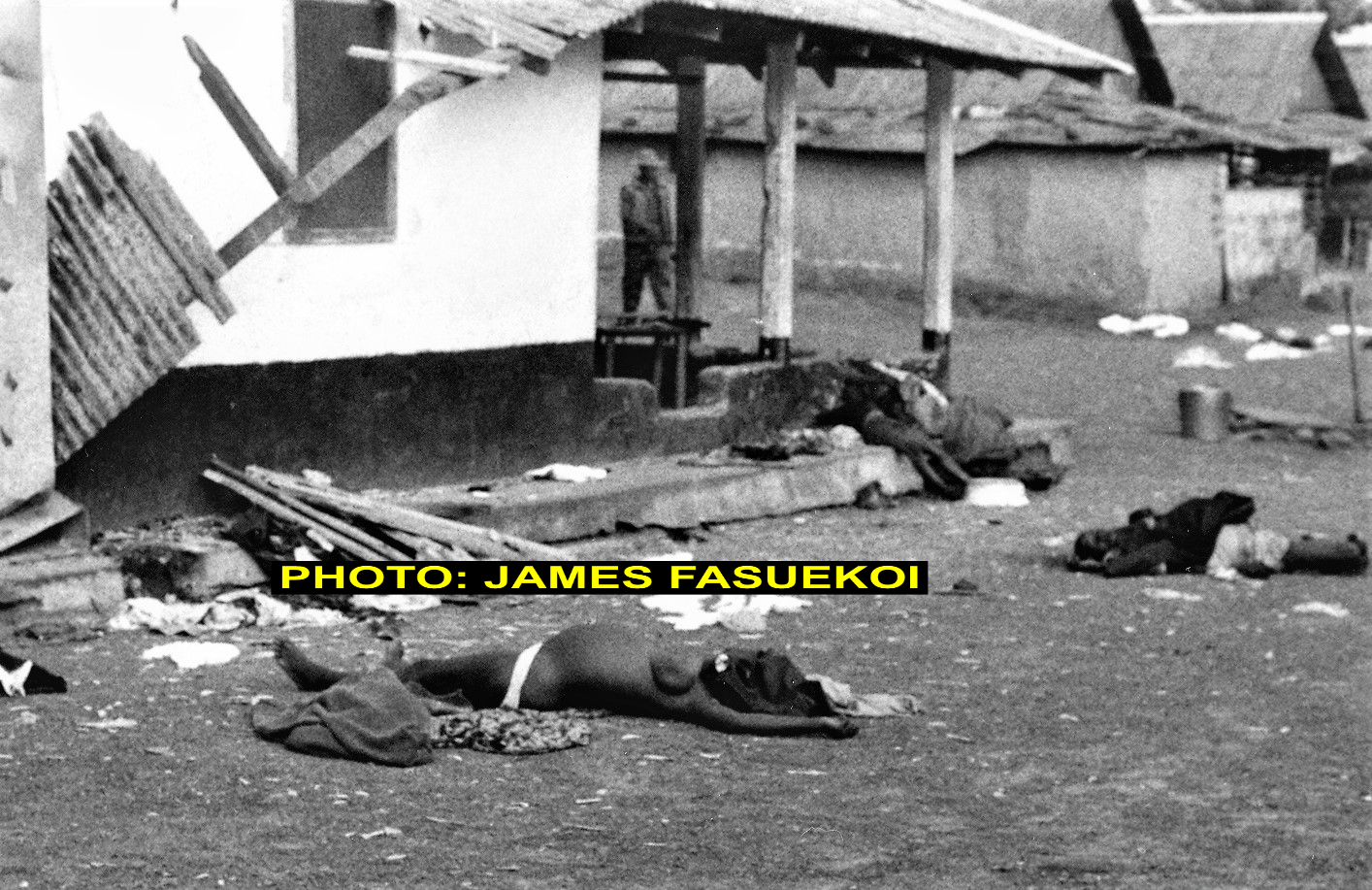
However, during a September 2024 Gospel research trip to this town by our Global Ekklesia news crew, we discovered the country’s bloody civil war of the 90s, also added another significant chapter-though sad-to the town’s annals, it’s the mass murders of 236 civilians in Wozi, a town practically located in the middle of nowhere.

And like they’ve done apparently for many visitors, the town’s chief and his people gathered and told us a part of their story-even taking us to the mass grave site, urging that we record the sad event of Wednesday, April 19, 1994 for posterity. The Memo, as you will read from below inscription in quote, is concise: it states what happened, time, date, number of victims, and the culprits.
Concise Inscription, Wozi, Lofa
“WOZI TOWN, ZORZOR DISTRICT, LOFA COUNTY
MASSACRE 236 PERSONS BY LOFA DEFEND FORCE
APRIL 19, 1994, WEDNESDAY AT 2:00 P.M.”
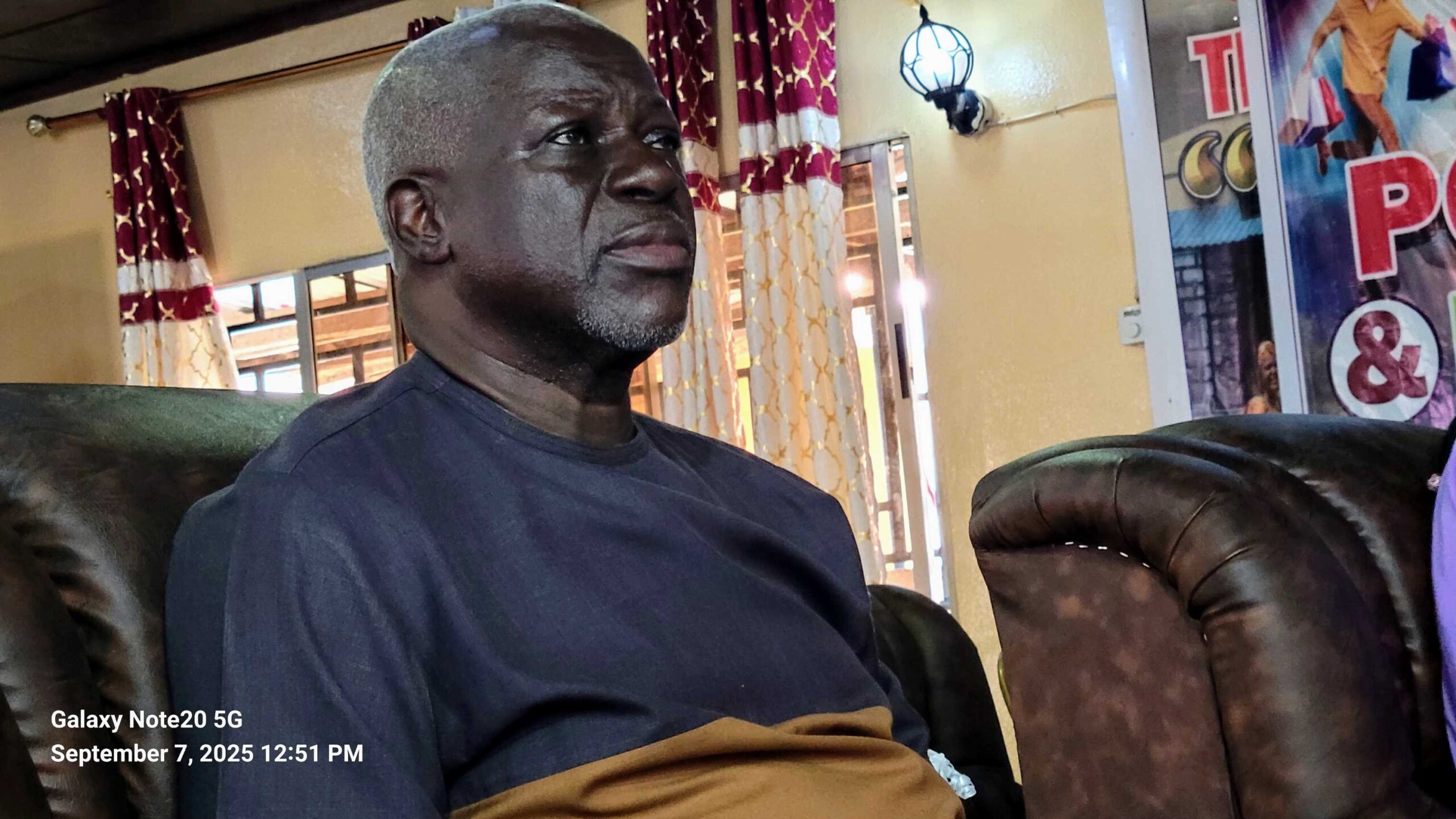
Beyond the above information, the townspeople also cited Kolubah Cooper as the man who served as town chief at the time of the mass murders in Wozi, in addition to their town’s current or past town chief named, Moses Z. Kpadell.
Firestone, Carter Camp

Unlike the message on the gravestone of Wozi massacred victims, the information written on the Carter Camp Gravestone, a massacre in which more than 600 civilians got hacked to death one early morning in June 1993, is totally ambiguous.
As you shall read below, the note lacks specificity in the first place; no date, time, culprits, nor the number of victims (they largely included children, women and the elderly) that got targeted politically, and slaughtered by heartless rebel-perpetrators.
Ambiguous Inscription-Harbel, Margibi

“NEVER AGAIN!
THIS MEMORIAL IS ERECTED BY THE INCHR WITH SUPPORT FROM THE UN PEACE BUILDING FUND AND UNDP.
IN MEMORY OF VICTIM OF THE LIBERIA CIVIL WAR BURIED IN THIS MASS GRAVE. DONE THIS 11TH DAY OF AUGUST 2020.”
Compare that of the town of Wozi and the Firestone Harbel Carter Camp Gravestone and you will realize the level of carelessness with which the latter was treated, nevertheless, this mass murder occurred practically less than 45 miles from the capital of Liberia and received a huge publicity as the Lutheran church Genocide!
The question now remains, who are/were the architects of the gravestone idea, and why did they choose to in fact glorify a local, or foreign NGOs such as “UN Peace Building Fund & UNDP”, placing them first instead of the 600 plus people killed?

The message on victims’ gravestones is clear, this work isn’t about the 600 civilians murdered but is about the “NGOs” that use free UN/taxpayers’ monies to fund the referenced project, and make it appear like a great favor-which is what happens when a country noisy, with endless but meaningless “protests” going on and many aren’t watching!
In the case with Carter Camp, the planners did one undeniable thing; they obviously succeeded in discounting, minimizing, and erasing pains experienced by both massacred victims and their relatives. Rather than highlight the gravity of the madness of that fateful day, the gravestone designer(s) wrote “In Memory of victim…” (not victims), when after all, over 600 got hacked to death!
The Carter Camp massacre was too big of an event for any group to push it down. In fact, if it’s possible, let’s have true rights advocates come together and re-do a suitable inscription that befits the magnitude of the folly which befell this small Firestone labor camp in June 1993.
Global Ekklesia wishes to suggest that after the Carter Camp “gravestone” issue is resolved, the Living should designe a national project aim to record the names of genocide victims nationwide, and finally add Names to “Numbers” instead.
For us at Ekklesia, this would be a more befitting manner of honoring our dead-war victims, who had to die not as a result of true liberation, but simply because of the victims’ own tribal identities, men’s utter wickedness, the greed for power and wealth.
About the Author: James Kokulo Fasuekoi is an award-winning journalist, author, documentary writer and news photographer. He previously covered civil wars in West Africa for both local and international news media, including The Associated Press. For more than three decades, Journalist Fasuekoi captured on films and in writings, his country’s entertainment, cultural lifestyles, as well as its political upheavals and war, like no other journalist. He became Bush Foundation Scholar twice in 2017.